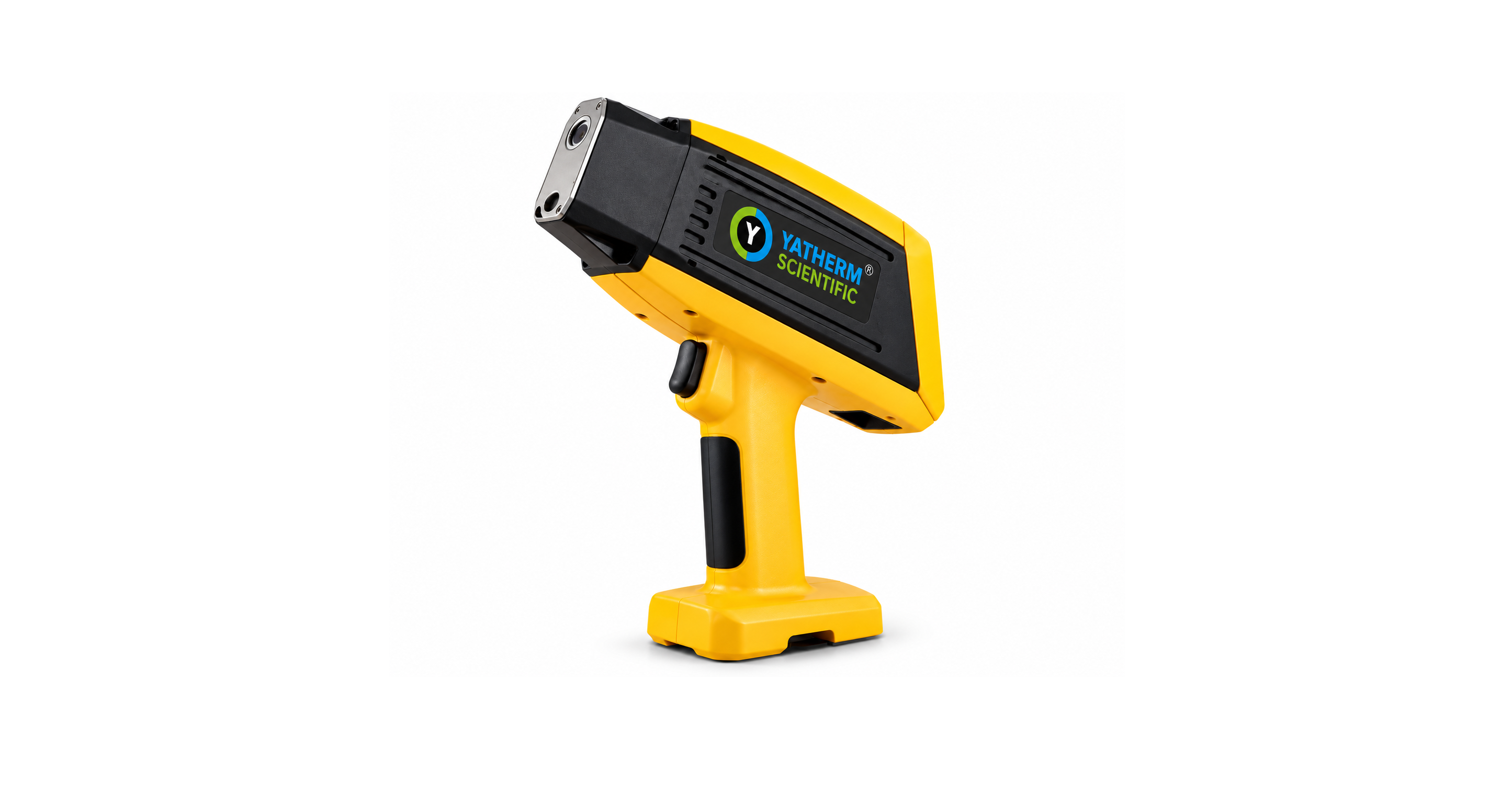
High Quality Portable Handheld XRF Spectrometer/ Mining Analyzer IP54 32G Storage for Onsite Mining Analysis/ XRF Metal Analyzer: Non-Destructive, Instant Material Verification
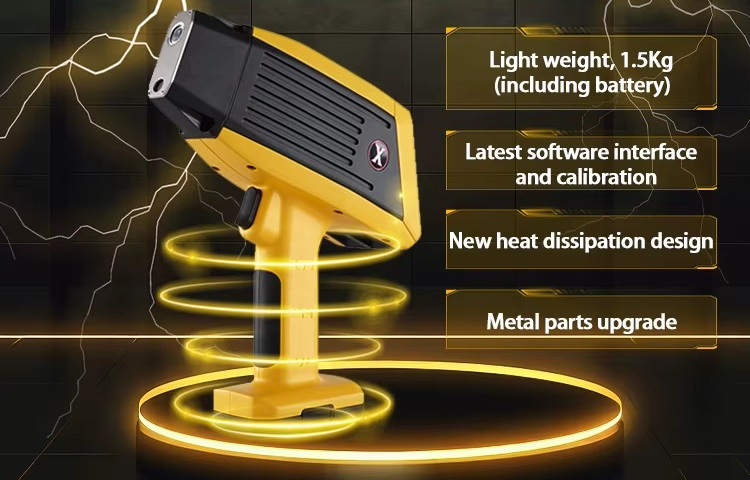
The XRF Metal Analyzer is the device which is known as the standard in the field for its fast, non-destructive Elemental Evaluation and Positive Material Identification (PMI).
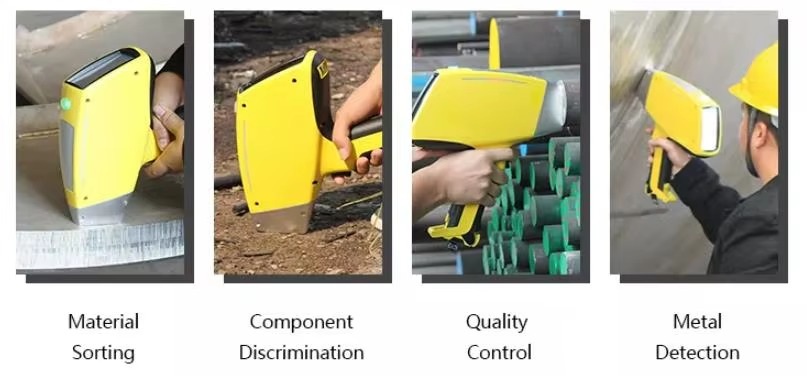
It's widely used in scrap sorting, crafting quality control, alloy verification, and matching the product quality with regulatory compliance, this handheld instrument will help you in instantly determining the total chemical composition and for the identification of the grade of metals and alloys.
It offers your laboratory the utmost quality results in seconds, which means the time and expenditure is reduced so much, when compared to the traditional ways of testing.
How a Handheld XRF Spectrometer Works
Preparation: When it comes to operating this device, you need minimal preparation and it is also very easy to work with.
Measurement Initiation: The operator needs to just simply put the examination window against the specimen which is used for testing and start the initiation of the measurement.
Excitation: The built-in X-ray tube creates a primary X-ray beam that makes the atoms excited in the specimen.
Emission: These excited atoms will instantly begin to release secondary or fluorescent X-rays.
Crucially: Each and every element will produce an energy signature which is unique in its own.
Detection: The analyzer's hi-tech detection system will calculate both the energy and intensity of the emissions.
Analysis: The internal software works tremendously and also quickly processes the data given to it.
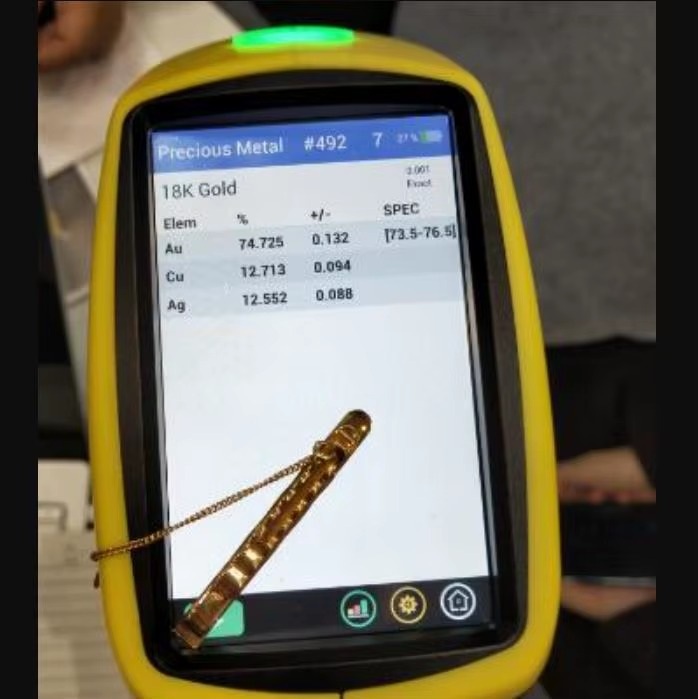
Output: This equipment instantly presents the exact percentage of the concentration of element, which will lead to the instant identification of alloy grade.
- Technology Basis: The technology used in this product is based on the unchanging laws of X-ray fluorescence (XRF) spectroscopy.
- Atomic Structure: Each and every chemical element consists of a special electronic structure.
- Mechanism: When exposed to high-energy X-rays, internal shell electrons are emitted, and outer-shell electrons drop to fill the vacant places.
- Fluorescence: This electron transition generates and releases energy in the form of a fluorescent X-ray photon.
- Element Identification: The energy of the photon shows the properties of the element, iron generates one type of signature, nickel a different one.
- Concentration Measurement: The intensity of this characteristic signature helps determine the concentration of that particular element in the specimen.
Why Must You Choose Yatherm Scientific: The Best in Handheld Examination
Yatherm Scientific's XRF Metal Analyzers are structured to do outstanding performance even in the most demanding industrial workspaces.
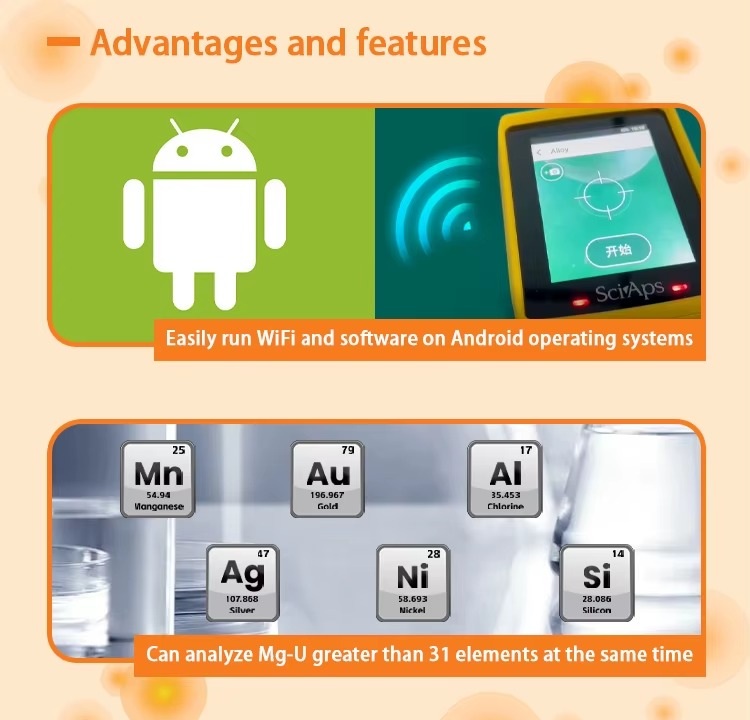
Our equipment is loaded with high-performance Silicon Drift Detectors (SDD) for best resolution and also to provide a quicker light element evaluation (like Mg, Al, Si etc) making sure you don't miss any key component of the alloy.
Our instruments come with features like rugged, sealed, and dust/moisture-resistant housing and an exceptional battery life for better performance, giving you an absolute guarantee of maximum trust in any field condition. Yatherm Scientific offers solid data management and reporting tools, which enables your compliance tracking with effortless ease.
Choose Yatherm Scientific if you want to experience the most precise, endurable and quickest, most advanced XRF technology accessible at this time, which will give you the utmost effectiveness and material accountability in your operations.
An XRF metal analyzer is used for fast, non-destructive elemental analysis and Positive Material Identification (PMI) of metals and alloys, commonly in scrap sorting, quality control and alloy verification.
How does a handheld XRF spectrometer work?
It works by directing X-rays at a sample, which excites the atoms and causes them to emit fluorescent X-rays with an energy signature unique to each element. The analyzer detects these signatures to identify elements and their concentrations.
No, XRF analysis is non-destructive. The sample is not damaged or altered during testing, so it can still be used or sold afterward.
It weighs less than 1.4 kg including the battery, with dimensions of 184mm x 267mm x 84mm, making it easy to carry for onsite use.
It uses a 20mm² silicon drift detector (SDD) with 135eV resolution FWHM, offering high sensitivity for light element evaluation like Mg, Al and Si.
Can the XRF analyzer be used outdoors for mining or scrap sorting?
Yes, it comes in an IP54-rated rugged housing that resists dust and moisture, with an operating temperature range of -20°C to 55°C, suited to onsite mining and scrap yard use.
Data can be transferred via Wi-Fi, Bluetooth or USB connection to a computer, including Profile Builder PC software, and the analyzer also supports report generation with its dual-camera system.
Pricing depends on the excitation source, detector configuration and accessories chosen. Contact Yatherm Scientific for the current price list.